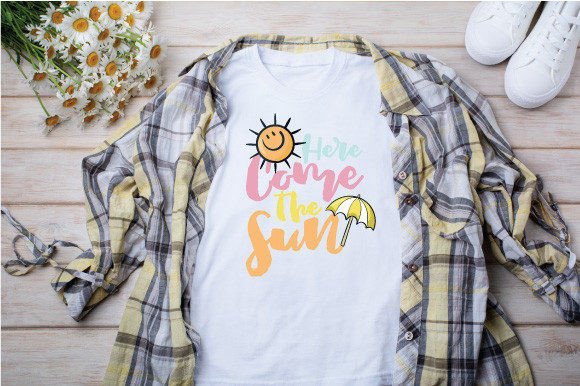
Here Come the Sun: A Designer's Review for Real-World Embroidery
When I see an embroidery file called "Here Come the Sun," my first thought is almost always of optimism. It’s a classic, warm theme that promises a cheerful mood. For designers and crafters, that initial emotional hook is crucial. It tells us what kind of product this design is destined for. Before I even load it into my software, I’m imagining it on a lightweight summer sweatshirt or the corner of a canvas tote bag—something that feels personal and bright.
The First Impression: Visual Personality and Project Fit
The name alone, Here Come the Sun, sets a specific expectation. It suggests a design that isn’t just decorative; it’s conversational. It’s a statement. In my experience, these are the designs that resonate deeply as personalized gifts or as signature items for a small shop product line. I envision it creating a sense of warmth, a bit of nostalgia, and a straightforward, friendly vibe. This isn't a complex, intimidating piece of art; it's an accessible graphic meant to connect.
For embroidery, that accessibility is key. The layout and detail level need to translate cleanly into stitches. A design with this theme likely has curves, perhaps some lettering, and elements that need to feel open and airy—not dense and heavy. My immediate judgment is that this belongs on custom apparel where the fabric can breathe around it: t-shirts, aprons, light jackets, or even baby embroidery on a romper. It feels like a design for everyday joy, not for a formal, decorative pillow.
Stitching It Into Reality: Practical Application Scenarios
Let’s walk through a real scenario. I’m preparing a custom order for a client who wants a set of embroidered tote bags as summer welcome gifts for her team. She wants something uplifting and unique. "Here Come the Sun" comes to mind. My practical process begins.
First, I consider the stitch-out. On a mid-weight canvas tote, the design needs to have clarity. The sun’s rays, any potential text elements, and the overall shape must be distinct without overly high stitch density that could stiffen the fabric. I think about thread colors—bright yellows, maybe a pop of orange, against a natural or white bag. The visual appeal here is about crisp, happy contrast. For a craft business owner, this kind of design on a tote becomes a desirable, handmade product with strong giftability.
Where This Design Excels in Your Product Line
Beyond tote bags, Here Come the Sun naturally fits a range of projects that benefit from its upbeat personality:
- Sweatshirt embroidery: Positioned on the chest or sleeve of a lightweight hoodie for a casual, boutique look.
- Baby clothes: A small, sweet version on a bib or the pocket of a toddler shirt, instantly creating a charming personalized gift.
- Kitchen towels or aprons: Infusing daily chores with a bit of cheerful decor.
- Embroidered patches: This design could be fantastic as a standalone patch, applied to a cap or backpack, offering versatility for your customers.
- Digital product previews: For the digital embroidery file seller, using this design in printable mockups of t-shirts or caps can immediately show its value and mood to potential buyers.
In each case, the design supports brand consistency for a shop focused on positivity, warmth, or summer themes. It builds customer trust by delivering a clear, professional-looking result that matches the emotional promise of its name.
Careful Considerations for a Perfect Stitch-Out
No design is universally perfect for every substrate. The friendly nature of Here Come the Sun doesn’t exempt it from the practical rules of embroidery. Here’s where a professional would advise caution:
- Small hoop sizes: If the design has intricate details or thin lines, scaling it down for a tiny item like a baby’s hat might compromise clarity. Always test.
- Textured or stretchy fabric: On a thin t-shirt or a stretchy polo, the design’s stability depends heavily on using the correct stabilizer. A misstep here can lead to puckering or distortion of those cheerful shapes.
- Dark fabric backgrounds: A sun-themed design often relies on bright, warm threads. On a black or navy garment, you must carefully plan your thread color palette to maintain contrast and vibrancy. It’s wise to test it in black and white mockups first to judge the silhouette.
- Curved surfaces like caps: Embroidering on a cap requires a design that can adapt to the curve without awkward breaks. Evaluate the design’s central focal point—a round sun motif might actually work beautifully, but the surrounding elements need to be balanced.
- Products needing frequent washing: On items like kitchen towels or everyday t-shirts, consider simplifying very small decorative accents if they exist, as dense stitching in tiny areas can wear faster.
Professional Notes Before You Stitch
Before you commit this design to a client’s project or your next batch of Etsy listings, do your homework. These steps are non-negotiable for quality:
- Always test on scrap fabric first. Use the same material and weight as your final product. This reveals everything about stitch density, thread tension, and overall effect.
- Check thread color contrast against your final fabric background. Don’t assume the digital preview colors will translate perfectly.
- Review the design file carefully. Inspect any small details, corners, or potential lettering to ensure they will stitch cleanly at your intended size.
- Confirm the licensing terms. Since this is categorised as a T-Shirt Design and Graphics product, understand clearly whether it’s for personal use, commercial embroidery projects, or both. This is foundational for craft business ethics and legality.
- Compare light and dark backgrounds. If you plan to offer the design on various apparel colors, see how it performs visually in both scenarios. This informs your product photography and customer options.
The Final Product Impact: Beyond the Stitches
When Here Come the Sun is stitched well on a chosen product, its value multiplies. For the small shop owner, it becomes more than an embroidery file; it’s a product with a story. It enhances handmade presentation by showing thoughtful design selection. It boosts buyer engagement because customers often connect with simple, positive messages. As a personalized gift, like on a embroidered pillow cover for a friend moving into a new home, it carries meaning that generic decor lacks.
Ultimately, the success of a design like this in your embroidery project portfolio hinges on matching its cheerful intent with practical execution. It’s a machine embroidery design that, when applied with care to the right finished product, can genuinely make things feel brighter—for you, for your customer, and for their day. That’s the real test of a design’s worth, and "Here Come the Sun" seems poised to pass it, provided we give it the thoughtful, professional application it deserves.