I Don't Have the Energy to Pretend: A Design Asset Review
As someone who sells digital products across several platforms, I constantly evaluate new design assets for their commercial potential. When a new graphic like I Don't Have the Energy to Pretend SVG lands in my downloads folder, my first question is always: can this help my shop? This isn't about vague inspiration; it's a practical assessment for turning a graphic into sellable products. Here’s my honest, business-minded review.
First Impression & Target Audience
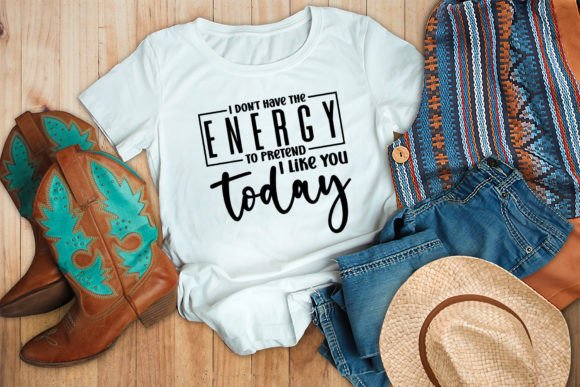
The phrase “I Don't Have the Energy to Pretend” immediately sets a specific mood. It feels authentic, relatable, and candid, with a modern, minimalist personality. This isn't a playful or cute graphic; it's bold, straightforward, and taps into a contemporary, often adult, sensibility. It would resonate with buyers looking for designs that are more expressive than decorative—perfect for merchandise, apparel, or wall art that speaks to a sense of honest fatigue or self-acceptance. The visual style, depending on its execution, leans commercial and clean, making it versatile for various applications.
Commercial Product Applications
The true value of a digital asset is in its application. For I Don't Have the Energy to Pretend SVG, the included file formats—SVG, PNG, EPS, DXF, and PDF—mean it’s ready for multiple production methods. This is a fully resizable, high-resolution vector file, which is essential for quality.
For my Etsy shop or print-on-demand store, I'd test this graphic across several product categories immediately. It’s a strong candidate for t-shirt graphics, mug designs, and tote bag prints. The message works well on everyday merchandise. As a PNG design, it could be integrated into digital paper packs or used as a focal point in printable wall art. For crafters and Cricut users, the SVG and DXF files open doors for creating planner stickers, greeting cards, or even detailed scrapbooking kits.
Beyond physical products, this asset can be powerful in digital formats. It could serve as a bold header in Canva templates for social media, or be incorporated into blog graphics and promotional visuals for a brand with a similar voice. Thinking about bundles, this design could anchor a themed collection about mindfulness or modern life, paired with complementary illustrations or typography.
Strengths in Product Presentation
A good design asset doesn't just make a product; it helps sell it. I Don't Have the Energy to Pretend SVG has clear advantages for listing appeal. Its straightforward message creates instant visual storytelling in a product mockup. On a mockup t-shirt or mug, it communicates the product’s vibe quickly, boosting thumbnail appeal and click-through potential on marketplaces like Etsy or Creative Fabrica.
Using it in large product previews or as a hero image in a seasonal collection would be effective. The design’s clarity aids in brand consistency if your shop leans toward authentic, text-based graphics. For customers, seeing a clean, professionally rendered design on a mockup builds customer trust and increases the perceived value of your digital download or finished product.
Where This Design Asset Works Best
- Themed Bundles: Pair it with other relatable quote-based graphics for a cohesive digital download pack.
- Printable Products: As wall art or a poster, where the text can be a standalone statement.
- Merchandise Graphics: On apparel, drinkware, and bags where the scale allows the phrase to be read clearly.
- Social Media Promos: Used in graphics to advertise your product collection, leveraging its inherent message.
- Creative Marketplace Listings: As a prominent feature in your listing images to instantly convey the product’s concept.
Practical Considerations & Testing Notes
No asset is perfect for everything. Here’s where I’d proceed with caution and run specific tests before listing any product using this graphic design asset.
Because it is text-based, its success depends on readability and application. I would avoid using it for tiny sticker details where the words become illegible. In overly complex layouts with competing elements, its impact could be lost. For Cricut projects requiring clean cutting lines, I would meticulously inspect the SVG file in my software to ensure the paths are closed and suitable for cutting vinyl or cardstock.
Before publishing, my checklist would include:
- Test the design on several real product mockups (t-shirt, mug, journal) to see how it scales.
- Preview it as a small marketplace thumbnail to ensure it remains legible and attractive.
- Check how it looks on both white and dark backgrounds, as the PNG transparency and color contrast are critical.
- For printable products, run a test print to verify colors appear as expected.
- Confirm the file organization is clear for customers if sold as a digital download.
- Experiment pairing it with different font styles (a clean sans-serif for modernity, a soft script for contrast) if integrating it into a larger template.
- Most importantly, double-check the commercial licensing terms to ensure my finished products can be sold without issue.
Final Thoughts for Your Shop
I Don't Have the Energy to Pretend SVG is a niche but potent design asset. Its usefulness hinges on your target audience and product mix. For sellers catering to a market that values candid, modern expression, this graphic can be a versatile foundation for a range of commercial designs. Its multi-format delivery makes it a practical, professional resource. The key, as always, is in the testing. Don’t assume it works; prove it works on your mockups, in your bundles, and for your customers. When integrated thoughtfully, it can help elevate your small business branding and add a layer of authentic visual hierarchy to your online product collection.