A Designer’s Review: The Badminton Retro Vintage SVG Design for Embroidery
As someone who stitches for clients, for my shop, and for fun, I always evaluate a design file with a practical eye. It’s not just about how it looks on screen; it’s about how it will translate into thread and fabric, how it will feel in a finished product, and whether it delivers real value to the person holding that embroidered item. Today, I’m putting the Badminton Retro Vintage SVG Design through that lens.
First Impressions: Mood, Style, and Immediate Project Ideas
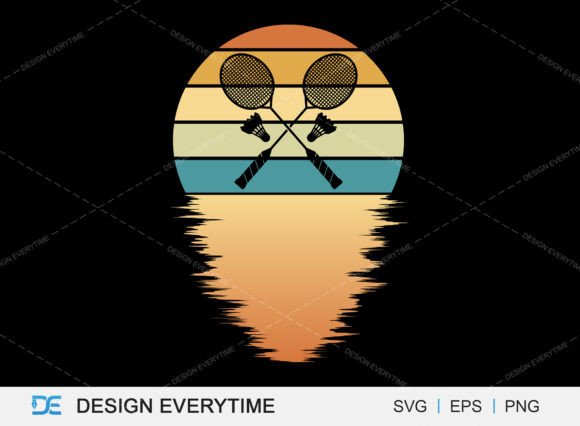
Opening this design, you get a clear sense of personality. It’s not a modern, sleek sports graphic. The “retro vintage” label is accurate—it evokes a classic, almost nostalgic feel. The shapes are likely clean and stylized, suggesting a design built from distinct elements rather than overly complex gradients. For an embroidery designer, this is promising. It means the layout is likely to separate nicely into areas for satin stitch or fill stitch, without too many tiny, problematic details.
The mood is playful and sporty, yet gentle because of the vintage treatment. This isn’t an aggressive, competitive logo; it’s more of a celebration of the activity itself. That makes it incredibly versatile for products meant for enjoyment, gifts, or lighthearted branding. My mind immediately goes to a custom embroidered tote bag for a tennis or badminton club member, a relaxed sweatshirt for a casual player, or a whimsical patch on a child’s jacket. It feels like it belongs on items meant for active leisure, not high-performance gear.
Where This Design Thrives in Real Embroidery Projects
Let’s walk through some real scenarios. Imagine you’re preparing a batch of embroidered tea towels or apron sets for a craft fair. The Badminton Retro Vintage SVG Design, with its clean vector lines (thanks to the SVG and EPS files), will scale beautifully to a size that’s prominent but not overwhelming on these items. The vintage style adds a touch of charm that elevates a simple kitchen towel from a basic utility item to a thoughtful, handmade product.
For personalized gifts, this is a winner. A baby blanket or nursery decor item for a family passionate about the sport? Stitching this design in soft, complementary thread colors on a textured blanket could be stunning. It becomes a unique heirloom. For small shop product lines, like caps or simple pillow covers, the design offers recognizable theme appeal without being overly niche. It’s specific enough to attract badminton enthusiasts but gentle enough that a general audience might appreciate it as a “sporty cottagecore” aesthetic.
As an Etsy seller or digital product seller, the included high-resolution PNG is a direct asset for creating printable mockups. You can showcase the design on digital previews of sweatshirts, tote bags, or baby clothes with confidence, knowing the core graphic is strong. For commercial embroidery projects, like a small batch of polo shirts for a community club, the vector nature of the file means you can adjust size without quality loss, ensuring crisp edges on the final stitchout.
Considerations and Where to Use with Care
No design is perfect for every single application, and a professional review must note where thought is required. The key here will be the level of detail. If the design incorporates very fine lines or tiny lettering as part of its vintage aesthetic, those elements need careful attention.
On small hoop sizes, especially for items like delicate baby clothes or the curved surface of a cap, those fine details might become lost or blurry if the stitch density is too high. On textured fabrics like a woven blanket or a thick sweatshirt, small decorative accents within the design could lose clarity. Always test the design on scrap fabric first, using the exact material and hoop size you intend for the final project. This is non-negotiable.
Dark fabric backgrounds require planning for thread color contrast. A vintage design often uses softer palettes; you might need to adjust your thread choices to ensure the design pops on a navy cap or a black tote bag. Similarly, on stretchy fabrics, a denser fill stitch area in the design could potentially cause puckering if not paired with the proper stabilizer. The design itself isn’t the issue; it’s about matching its characteristics to the physical constraints of the project.
Practical Notes for Your Embroidery Process
- Before loading the embroidery file, inspect the small details in the provided PNG preview. Are there corners or lines that might translate into a single, fragile running stitch? Plan your stitch types accordingly.
- Check thread color contrast not just on screen, but by pulling physical threads against your project fabric. A vintage feel often benefits from slightly muted, natural tones.
- Test the design in black and white mockups to gauge its form and silhouette. A strong design holds up even without color, which is a good sign for stitching clarity.
- Compare how it looks conceptually on both light and dark fabric backgrounds. Does the mood hold up?
- Use a proper stabilizer suited to your fabric weight and the design’s stitch density. This preserves the clean lines.
- Since this product is listed under Freebies and Graphics, confirming the licensing terms is essential before selling any finished items or commercial embroidery projects. The description states suitability for print and digital use, but always verify the specifics for commercial embroidery and physical product sales.
The Impact on Your Product’s Appeal and Your Business
When you stitch this design onto a finished product, what does it do? It adds a layer of thoughtful, thematic storytelling. A customer receiving a custom embroidered tote bag with this design isn’t just getting a bag; they’re getting a product that acknowledges a personal interest in a charming way. That boosts giftability and customer trust in your craftsmanship.
For your craft business, using a well-executed, clean design like this reinforces a professional, cohesive look across your product line. If you offer a series of vintage sport designs, this badminton graphic adds consistency. It makes your handmade presentation feel deliberate and skilled, not random. For buyer engagement, a design with clear personality prompts a more emotional response than a generic graphic, potentially leading to more shares, reviews, and repeat purchases.
In the end, the Badminton Retro Vintage SVG Design presents itself as a solid, stylized graphic asset. Its real value for an embroidery designer isn’t just in the multiple file formats—it’s in the adaptable vintage mood and the likely clean separation of elements that translate well into stitches. Approach it with the standard practical precautions: test, adjust for your specific medium, and confirm licensing. Then, it can become a lovely feature on a pillow cover, a standout element on a holiday gift, or a reliable part of your small shop merchandise. It’s a design that seems to understand it will live not just on a screen, but in thread.